Handcrafted Replica Artemis of Ephesus – Inspired by a British Museum Figure
Details
This striking handcrafted Museum Quality Replica is inspired by a terracotta figure of Artemis of Ephesus, held in the collection of the British Museum. Dating to the late 2nd to 1st century BC, the original is classified by the museum under both Roman and Hellenistic cultures, reflecting the fascinating overlap of artistic and religious traditions during this period.
The original figure is believed to have come from Ephesus, in modern-day Turkey, a city renowned for its magnificent Temple of Artemis, one of the Seven Wonders of the Ancient World.
Who was Artemis of Ephesus? Although she shared her name with the Greek goddess of hunting and wild animals, the Ephesian Artemis had a rather different character. Her worship drew upon ancient Anatolian religious traditions, and she became associated with fertility, nourishment, protection and the abundance of the natural world.
At the heart of her worship stood the magnificent Temple of Artemis at Ephesus, an extraordinary sanctuary that attracted worshippers and travellers from across the Mediterranean. Artemis was far more than a resident deity; she was the divine protector of Ephesus, deeply connected to the city's identity, prosperity and religious life.
One of the most intriguing features of her appearance is the series of oval ornaments covering her chest. Traditionally interpreted as multiple breasts, representing her ability to nourish and sustain life, their precise meaning remains debated. Alternative interpretations include eggs, fruits and ceremonial ornaments, perhaps reflecting the rich symbolism surrounding the goddess.
Her elaborate appearance also reveals clues about her religious importance. The original British Museum figure wears a tall polos headdress, resembling a small altar, with a veil falling from beneath it to frame her body. Her centrally parted hair falls in long tresses over her shoulders, while her distinctive clothing reflects the established imagery of the Ephesian goddess.
Although the original figure dates to the late Hellenistic period, the worship of Artemis of Ephesus continued to flourish throughout the Roman period.
Our replica is based on a terracotta figure held in the British Museum (1883,0724.1). Although the original has survived for more than two thousand years, both of her outstretched forearms are now missing. In recreating this remarkable figure, we have taken the liberty of restoring her hands, offering an interpretation of how she may once have appeared.
It is one of the pleasures of archaeological replication, allowing us to explore not only what survives from the ancient world, but also what time has taken away.
Further Reading
The original figure is held in the British Museum, collection number 1883,0724.1, and is dated to the late 2nd to 1st century BC. The museum records Ephesus as its reported findspot and classifies the figure under both Roman and Hellenistic cultures.
Materials
Buff earthenware
Dimensions
Height: Approx. 250 mm
Production
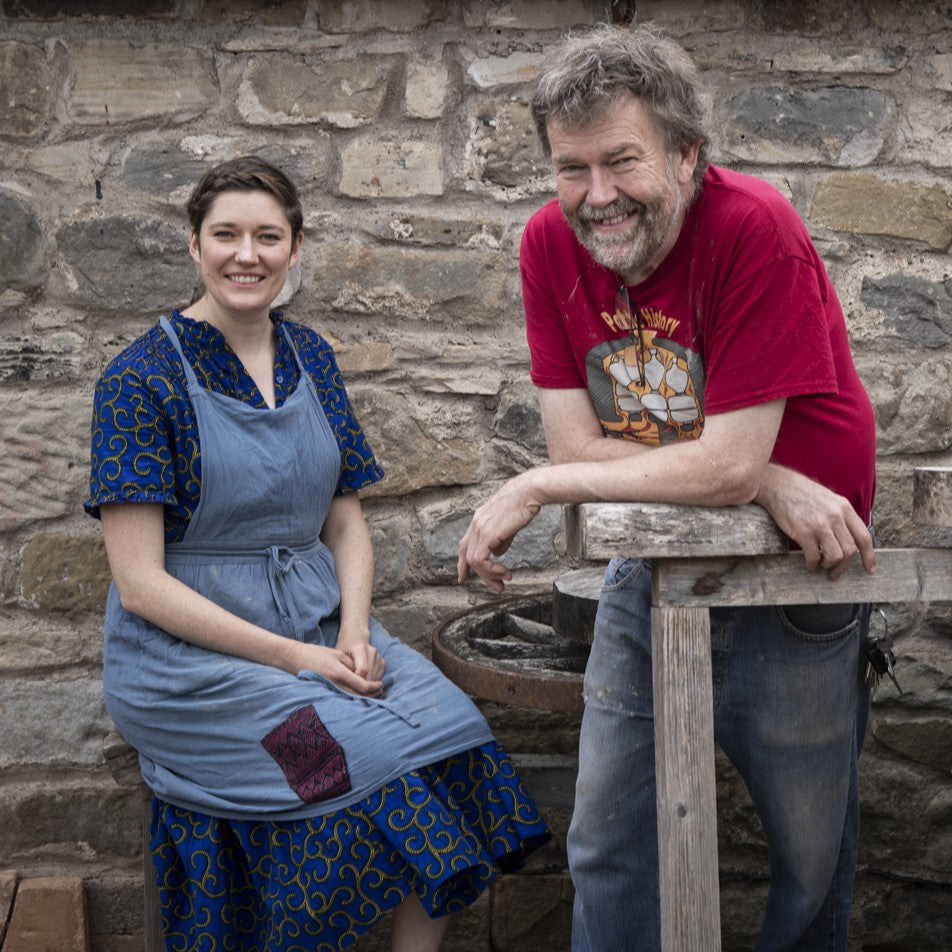
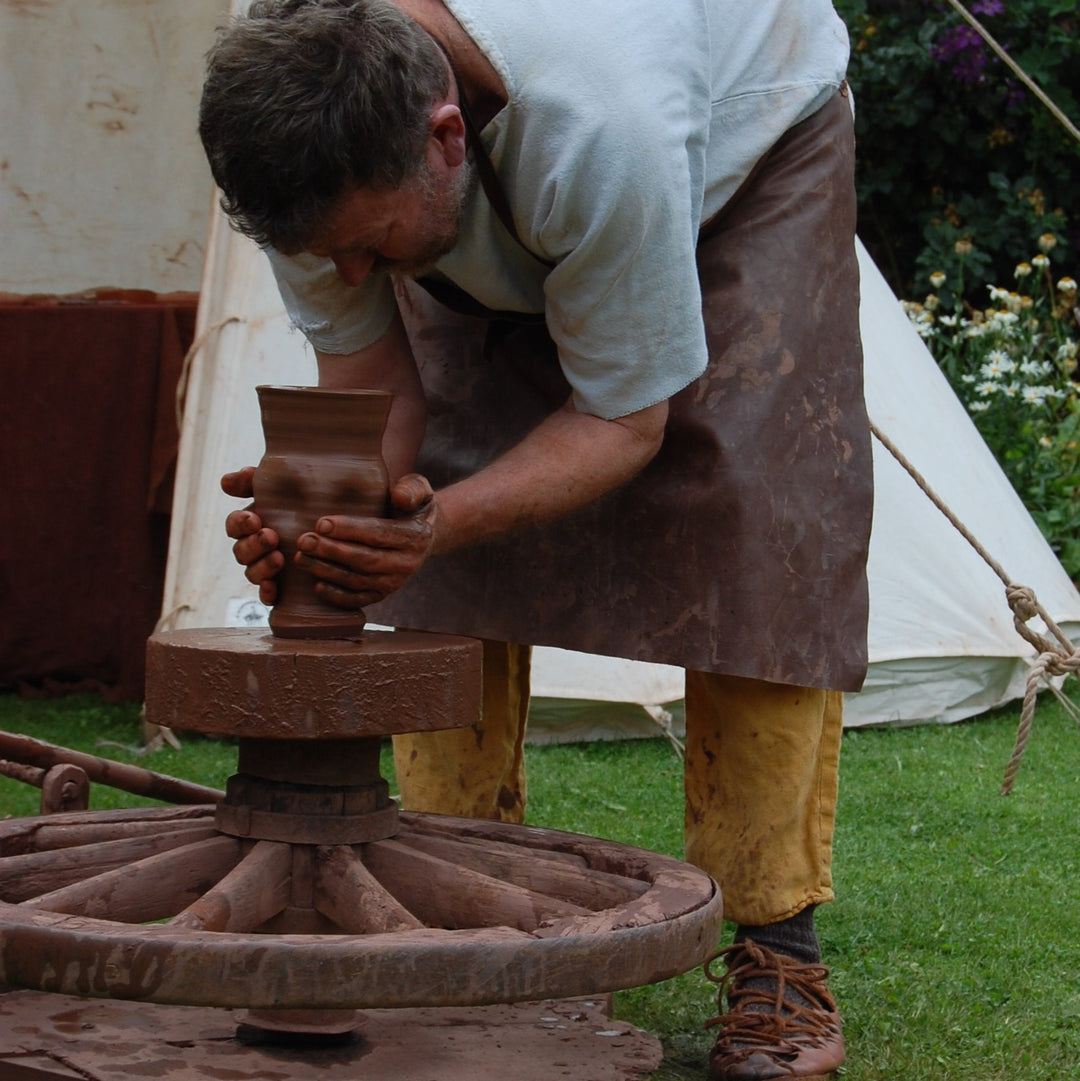
This museum-quality replica has been handcrafted in Northumberland by Potted History, based on original artefacts from the Hellenistic and Roman periods.
-
Hand-built using traditional ceramic techniques
-
Fired between 800°C and 1,000°C to replicate historical firing conditions
-
Natural variations in surface colour and texture mean each piece is unique, just as the originals were
Ordering Information
‘Add to Basket’ Items: Ready to ship immediately
‘Pre-order’ Items: Handmade to order within 90 days (longer for international orders). If your order includes both types, items will ship together once all are ready
Shipping
All items are sent via second-class postal service as standard
If you require first-class shipping, please contact us for a custom quote
Postage Note: All items are carefully packaged to ensure they arrive in perfect condition
A powerful symbol of healing, rest, and divine guardianship, this figure of Telesphorus brings ancient care into your home. Whether displayed as a token of protection or gifted to someone in recovery, this replica honours the stillness, safety, and strength found in healing.